

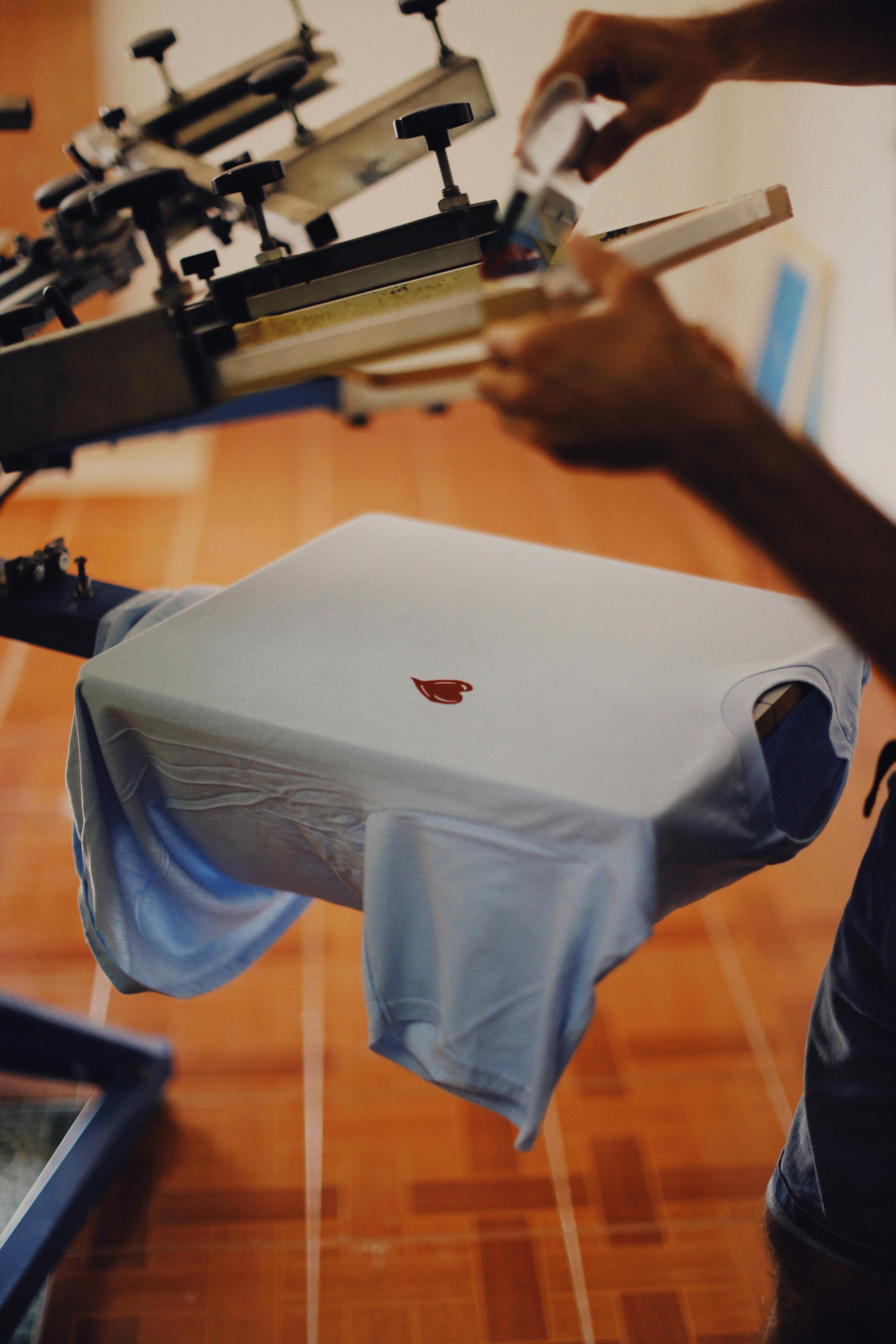
Choosing between embroidery and heat transfer can feel confusing especially when both options can look great on the final product. The truth is, neither method is “better” in every situation. The best choice depends on what you’re printing, who will wear it, how often it will be washed, and the look you want your brand to give.
In Singapore, businesses often use embroidery for a premium, long-lasting finish on uniforms and polos, while heat transfer is popular for detailed designs, fast turnarounds, and smaller runs. If you choose based on the right use case (not just price), your apparel will look better, last longer, and feel more professional.
If you’re exploring customisation options and want your apparel to look consistent across teams, starting with a reliable provider for embroidery service singapore is a good way to understand what works best for uniforms, corporate wear, and premium pieces.
What embroidery is best for
Embroidery uses stitching to create your logo or design. It has a textured, premium look and tends to last a long time even with frequent washing. It’s especially common for corporate teams because it looks clean and professional from close range.
Best use cases for embroidery
1) Polos for corporate teams
A small embroidered logo on the left chest is one of the most popular corporate looks. It feels professional without being too loud, and it matches most industries—from offices to retail.
If you’re planning branded polos for daily wear, embroidery works especially well on classic polo styles where the fabric holds the stitches neatly.
2) Uniforms that are worn often
If your staff wear the same uniform daily, embroidery holds up better than many print finishes. It doesn’t peel and it doesn’t crack, which makes it a strong choice for teams that wash uniforms frequently.
For companies planning structured uniforms across departments, embroidery pairs nicely with corporate uniforms singapore because it helps the uniform look polished over time.
3) Premium branding on jackets and outerwear
Embroidery looks strong on jackets because the stitching adds a high-quality finish. It’s often used on chest logos and sleeves to keep the design clean and premium.
If your team wears outerwear regularly (events, logistics, field roles), embroidery can make the jacket feel like part of a well-designed uniform set.
4) Embroidery badges for role identification
Badges are useful when you need roles to be clear—team lead, security, crew, or department labels. They also make uniforms easier to update without changing the whole garment.
If you need patches for departments, teams, or events, embroidery badges singapore is a practical way to keep branding clear while staying flexible.
When embroidery may not be ideal
- Very small, highly detailed logos with fine gradients
- Large designs across the back (can be heavy and costly)
- Very thin fabrics that don’t hold stitches well
That’s where heat transfer can be a better option.
What heat transfer is best for
Heat transfer applies a design onto the fabric using heat. It’s popular because it can handle complex artwork (including small details), works well for short runs, and supports fast production needs.
Best use cases for heat transfer
1) Detailed logos or designs with small elements
If your logo has fine lines, small text, or a lot of detail, heat transfer often reproduces it more clearly than stitches.
2) Small batch orders or quick turnaround
Heat transfer is commonly used when you don’t want to commit to a large batch, or when you need apparel quickly for an upcoming event.
3) Numbering and custom names
This is one of the biggest advantages of heat transfer. Names and numbers are easy to apply, which is why it’s widely used for teams, events, and staff uniforms that need individual labels.
For sports and teamwear needs, this method is commonly used alongside jersey printing because it stays sharp and readable.
If you’re comparing options for custom names, numbers, or detailed graphics, heat transfer printing singapore is a strong match for short runs and design-heavy layouts.
When heat transfer may not be ideal
- Very high-frequency washing in hot water
- Workwear exposed to heavy friction or rough surfaces
- Brands that want a premium “textured” look
Heat transfer can last well when done properly, but embroidery generally wins for long-term durability in everyday uniform use.
A simple way to decide
Use these quick rules:
Choose embroidery if you want:
- A premium corporate look
- High durability for daily wear
- Clean chest logos on polos and uniforms
- A timeless finish that doesn’t peel
Choose heat transfer if you need:
- Fine details and sharp small text
- Names and numbers
- Small runs or fast production
- Complex designs that don’t suit stitching
Many companies use both and that’s often the best solution
You don’t always have to pick only one method. A very common corporate setup is:
- Embroidery for the logo on the left chest
- Heat transfer for names, roles, or event-related text
This keeps the uniform looking premium and consistent while still allowing flexibility for customisation.
If you’re unsure which method suits your design best, it helps to start from your apparel type first tee, polo, uniform, or jacket and build the branding method around that. You can also explore broader apparel customisation options under custom apparel singapore to match the right finishing style to the right garment.
If you share what item you’re printing (tee, polo, uniform, jacket), how many pieces you need, and whether you want logos only or also names/numbers, you can get a clear recommendation on the best method so your apparel looks great, lasts longer, and fits your budget and timeline.




Leave A Comment