

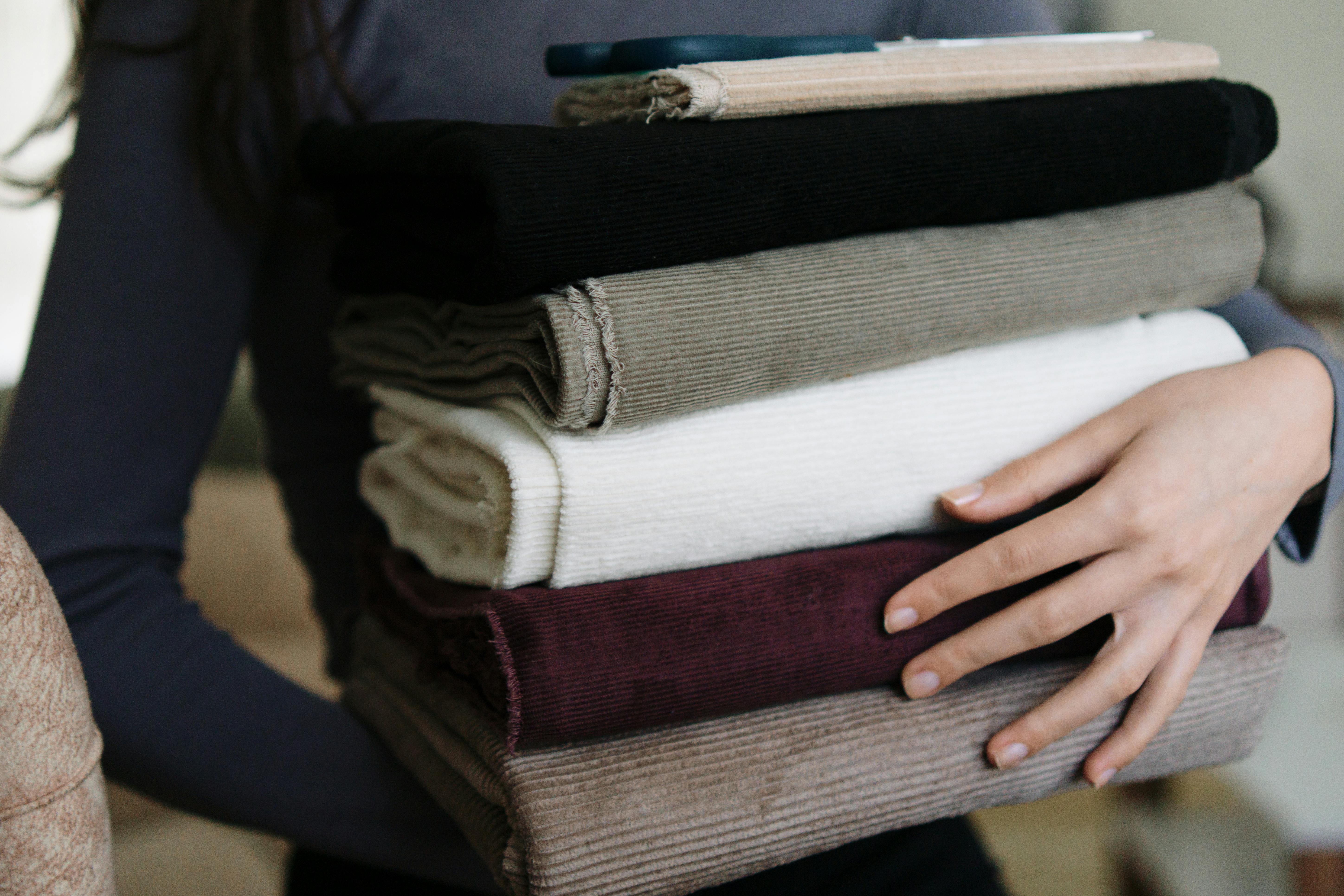
Designing artwork for custom apparel requires more than just a creative idea. Different fabrics react differently to printing and embroidery techniques, which means artwork must be optimized for the material used. Businesses that want professional and long-lasting results need to consider fabric type, printing method, and design complexity before producing apparel.
Many companies looking for high-quality apparel solutions start with custom apparel singapore to ensure their garments and artwork are properly matched. When the design and fabric work together, the final product looks sharper, lasts longer, and represents the brand more effectively.
Understanding how to optimize artwork for different fabric types helps businesses achieve better results for uniforms, promotional clothing, and corporate merchandise.
Understanding Fabric Types in Apparel Printing
Different fabrics behave differently when designs are applied to them. Cotton, polyester, and blended fabrics are the most common materials used for custom apparel, but each one requires specific printing or embroidery techniques.
Cotton fabrics are popular because they absorb ink well, making them suitable for many printing methods. Polyester fabrics are more durable and often used in sportswear, but they require specialized printing techniques to prevent fading or color distortion.
Businesses that want professional results often work with providers offering t shirt printing singapore services, where experts can recommend the most suitable method based on fabric type and artwork design.
Choosing the correct combination of fabric and printing technique ensures the artwork appears sharp and vibrant on the finished garment.
Choosing the Right Printing Method
Not all printing techniques work equally well on every type of fabric. The artwork design, color complexity, and garment material should all influence the choice of printing method.
One commonly used technique is silkscreen printing singapore, which works well on cotton fabrics and is ideal for large orders with simple designs. This method produces durable prints with strong colors.
Another option is heat transfer printing singapore, which is suitable for detailed designs and smaller quantities. Heat transfer allows complex artwork to be applied to garments with precision.
For sportswear and polyester fabrics, sublimation printing singapore is often preferred because it allows the design to become part of the fabric rather than sitting on the surface. This creates a smooth finish that does not crack or peel.
Understanding these printing techniques helps businesses select the right method for their apparel projects.
Optimizing Artwork for Embroidery
Embroidery is another popular method used for logos and branding on apparel. Instead of applying ink, embroidery stitches the design directly into the fabric using thread.
Businesses that want a refined and professional appearance often rely on custom embroidery singapore for their uniforms and corporate apparel. Embroidery works particularly well for smaller designs such as company logos or badges.
However, artwork must be simplified before embroidery. Designs with too many small details may not translate well into stitched patterns. Clean lines and bold shapes tend to produce better embroidery results.
Embroidery is especially effective for uniforms, jackets, and polo shirts where durability and professionalism are important.
Fabric Considerations for Corporate Apparel
Corporate apparel often needs to balance comfort, durability, and professional appearance. Polo shirts are commonly used in many industries because they provide a polished look while remaining comfortable for everyday wear.
Businesses frequently choose company polo tee singapore apparel when designing corporate uniforms. Polo shirts work well with both printing and embroidery, making them versatile for company branding.
When designing artwork for corporate apparel, it is important to consider placement, size, and color contrast so the logo remains visible and professional.
Designing Apparel for Work Environments
Different work environments require different apparel materials. For example, outdoor workers may require durable jackets or windbreakers, while office staff may wear lightweight shirts.
Companies with operational teams often include jackets such as windbreaker jacket singapore options as part of their uniform program. Artwork applied to jackets should be carefully sized and positioned to remain visible while maintaining the garment’s overall appearance.
Similarly, businesses working in logistics or industrial environments often design uniforms with clear branding to ensure employees are easily identifiable.
Choosing appropriate fabrics ensures the apparel remains comfortable and functional for employees.
Preparing Artwork Files for Production
Before printing or embroidery begins, artwork must be prepared in the correct format. High-resolution files help ensure the design appears sharp and accurate on garments.
Vector files are often preferred because they allow designs to be scaled without losing quality. Colors should also be carefully selected to ensure they appear correctly on different fabric backgrounds.
Working with experienced apparel providers helps ensure artwork is optimized before production begins. This step prevents issues such as distorted designs, faded colors, or misaligned logos.
Achieving the Best Results for Custom Apparel
Optimizing artwork for different fabric types is essential for producing professional and durable apparel. By choosing the right fabric, printing method, and design format, businesses can ensure their branded clothing looks sharp and lasts longer.
Whether you are creating uniforms, promotional apparel, or event merchandise, careful design preparation makes a significant difference in the final result.




Leave A Comment