

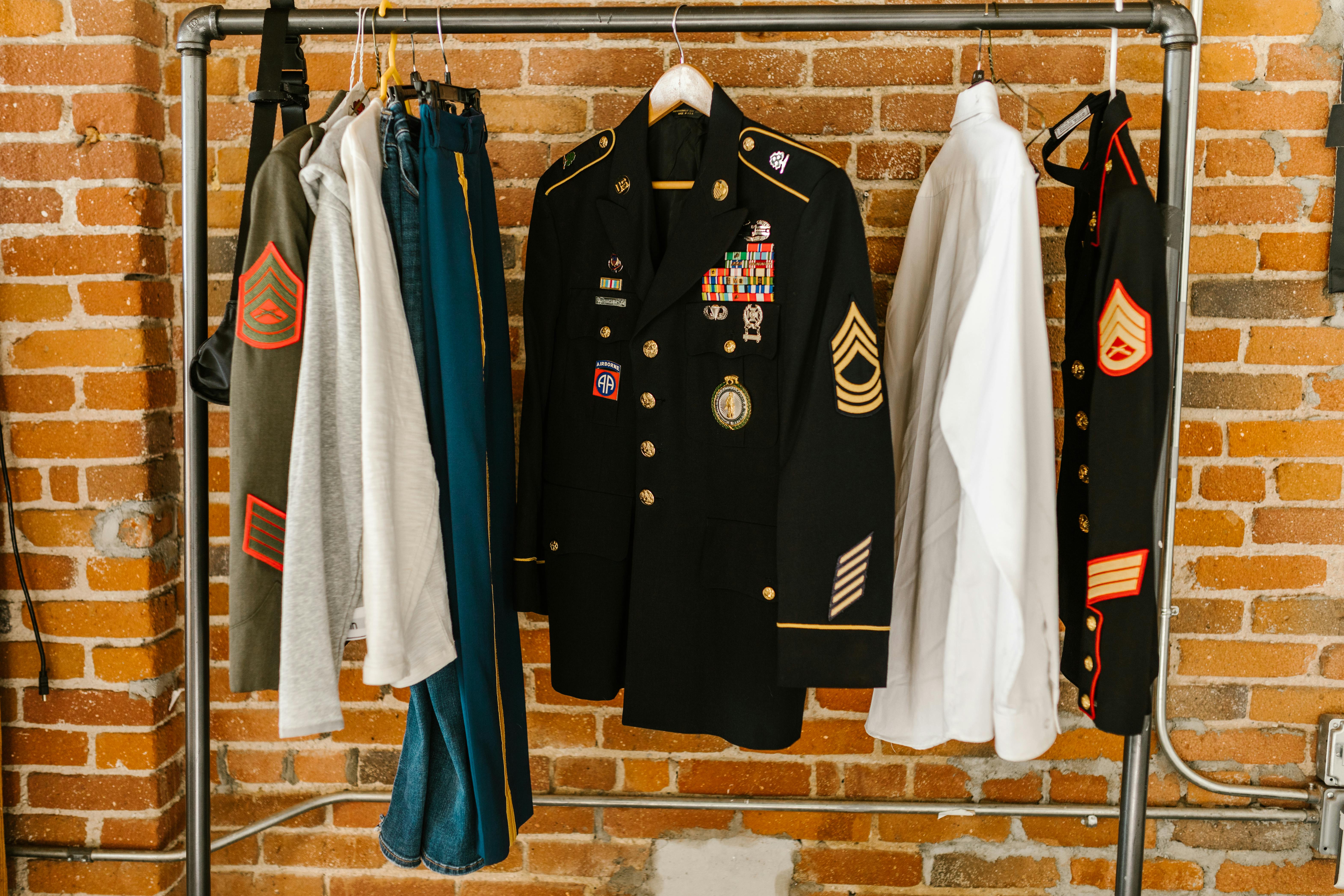
Uniform colours aren’t just a design choice. They influence how customers feel when they see your team, how quickly people recognise your staff, and how confident employees feel while wearing the uniform. In Singapore’s busy work environments offices, retail spaces, warehouses, and worksites colour plays a bigger role than many businesses realise.
Think about the last time you walked into a store or a clinic. Before you spoke to anyone, you could probably identify who worked there. Often, the fastest clue wasn’t the name tag it was the uniform colour. That quick moment matters because first impressions happen instantly. When your uniform colours match your brand and your work environment, you look organised, professional, and easier to trust.
If you’re planning uniforms for your team, it helps to start from a category built for workplace use, especially when roles vary across departments. Many businesses begin with corporate uniforms singapore because it provides a practical base for choosing colours that look consistent across different job functions.
Why colour changes how people judge your brand
Customers often connect colour with emotions and expectations. Even if they don’t realise it, colour gives them a “feeling” about your business before any conversation starts.
Blue: trust, calm, and reliability
Blue is one of the safest and most popular uniform colours because it feels steady and professional. It works well in customer service roles, corporate environments, and teams that handle enquiries. Darker blues like navy also hide stains better, which makes them practical for daily wear.
Black: premium, modern, and strong
Black can look sleek and high-end. It’s often used by brands that want a modern image retail teams, hospitality staff, or premium service providers. The key is balance: black can feel strict if the uniform design looks too heavy, so simple branding and clean fit help.
White: clean and organised
White signals cleanliness and simplicity. It’s common in healthcare and roles where hygiene is important. The downside is maintenance: white shows stains quickly. If your team works hands-on, white might be better as an accent rather than the main colour.
Red: energy and boldness
Red stands out. It’s great for high-energy environments like promotions, events, or teams that need to be noticed quickly. But too much red can feel intense, so many brands use it in small areas (logo, piping, panels) instead of making it the full base colour.
Grey: neutral and professional
Grey is a “quiet” colour that works across many industries. It looks professional, matches most brand colours, and is easy to maintain. That’s why it’s often chosen for teams with mixed roles office + operations where one uniform needs to fit everyone.
Colours should match the work environment, not only your branding
A common mistake is choosing uniform colours only based on brand guidelines, then realising later the uniforms are impractical. The best uniform colour is a balance between brand image and real daily use.
For example:
- A delivery or warehouse team benefits from darker colours that don’t show dirt easily.
- A customer-facing team benefits from colours that look friendly and professional.
- A team working near vehicles or loading bays benefits from colours that are easy to see quickly.
If your staff are frequently outdoors, moving between locations, or working in fast-paced operations, colour choices should be planned for practicality first. Many companies align these needs with logistic uniforms singapore planning so their team stays recognisable while still looking neat and consistent.
Uniform colour can also support safety
For certain roles, colour isn’t only about brand identity it can reduce risk. High-contrast colours and visibility-friendly choices make it easier for staff to be seen, especially in low light, rainy conditions, or busy areas.
If your team works:
- near traffic or carparks
- outdoors in early mornings or evenings
- in warehouses or loading bays
- on-site around equipment
then colour should support visibility. Bright accents, strong contrast, and visibility-focused design can help prevent accidents and confusion. Businesses that need this usually look at safety uniforms singapore options to balance brand colour choices with practical visibility needs.
How colour affects staff confidence and teamwork
Uniform colour doesn’t only influence customers your team feels it too. People tend to feel more confident when they look consistent and “put together.” That confidence can show up in posture, communication, and how staff represent your brand.
Uniforms also improve teamwork because they remove uncertainty:
- Everyone looks like part of the same team
- Customers know who to approach
- Staff feel more professional and aligned
This matters especially if you have multiple departments working together during peak hours or events.
A simple colour system that works for most companies
If you want a uniform colour plan that looks good and stays easy to manage, use this structure:
- Choose one main base colour (navy, black, grey)
- Add one accent colour (your brand colour in small areas)
- Keep logo placement consistent across all roles
This keeps your uniforms clean and makes reorders easier in the future.
And if your company needs quick solutions for expanding teams or last-minute replacements, having access to ready options can help maintain consistent colours without delay. Some businesses support this with ready stock apparel singapore so new staff can be equipped quickly while staying on-brand.
If you’re unsure what uniform colours suit your industry and daily work environment best, shortlist two base colour options and one accent colour, then reach out with your team roles and use case so you can get a practical recommendation that looks professional and works comfortably day to day.






Leave A Comment